

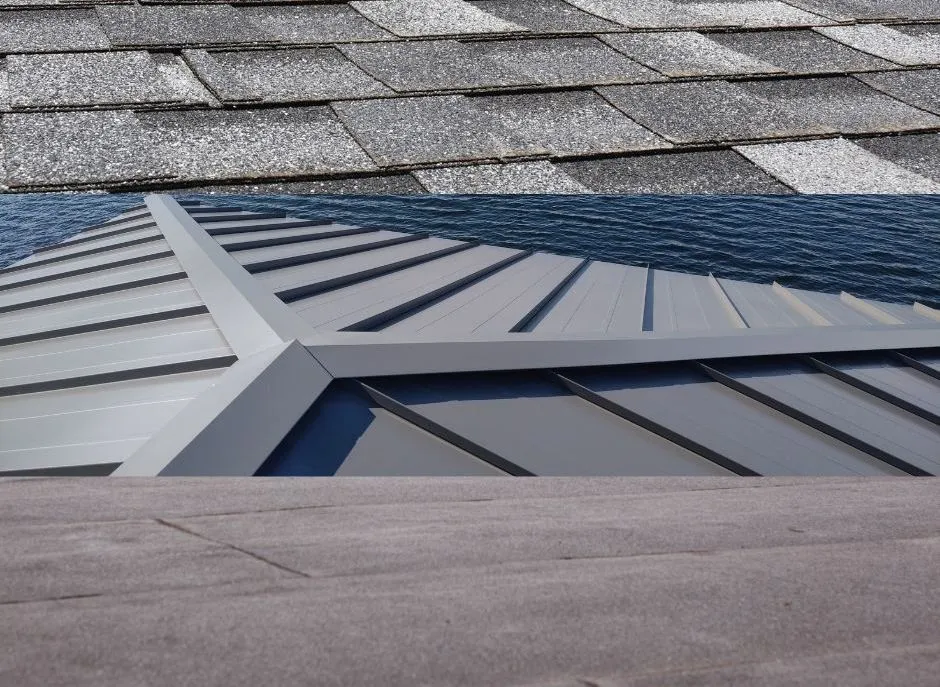
Your roof does more than protect your home—it defines its style, energy efficiency, and long-term maintenance needs. In Florida, choosing the right roofing material isn’t just about curb appeal—it’s about weather resilience, humidity resistance, and cost-effectiveness. Whether you’re building new or replacing an existing roof, here’s how to make the best decision for your Florida property.
Choosing the Right Roofing Material: Why It Matters in Florida
Florida’s hot sun, salty air, heavy rain, and occasional hurricanes can challenge even the most durable roofing systems. Choosing the right roof material is essential to ensure your roof stands up to these harsh conditions and provides long-term protection.
The right material can:
- Withstand wind and impact damage
- Resist mold, algae, and salt corrosion
- Reflect heat to reduce cooling costs
- Enhance your home’s aesthetic and value with different types of roofing materials
There are many roof materials available, and this article will cover the main types of roofing materials suitable for Florida homes.
Asphalt Shingles: Affordable and Versatile
Best For: Homeowners on a budget who want a quick installation.
- Pros: Inexpensive, easy to install, available in many styles and colors. Three tab shingles are the most basic and affordable type of asphalt shingle, while architectural shingles offer a more premium look and better durability.
- Cons: Shorter lifespan, can deteriorate under extreme heat and humidity.
- Bonus Tip: Roofing shingles come in various styles, including three tab and architectural shingles. Choosing the right shingle can impact your roof’s lifespan and appearance. Look for algae-resistant shingles like those from Owens Corning with StreakGuard® protection.
An asphalt shingle roof is a popular choice for Florida homes due to its cost-effectiveness.
Related:What Are the Best Roof Shingles?
Metal Roofing: Durable and Energy-Efficient
A metal roof is an excellent choice for homeowners near the coast or in hurricane-prone zones.
- Pros: Long lifespan (40–70 years), reflects heat, lightweight, fire-resistant, and a durable option for Florida’s harsh weather.
- Cons: Higher upfront cost, requires expert installation.
Metal shingles are another metal roofing option, offering a different aesthetic and similar durability to standing seam metal roof systems.
- Bonus Tip: Consider UV-reflective coatings for your metal roof to help protect against UV rays and extend the roof’s lifespan.
Tile Roofing: Elegant and Weather-Resistant
Best For: Spanish-style homes or those wanting long-term investment.
- Pros: Exceptional durability, great for hot climates, pest and fire-resistant. Concrete tiles are a cost-effective alternative to clay tiles and offer versatility in style and color.
- Cons: Heavy, may require structural reinforcement, expensive. Concrete tiles may require more maintenance due to water absorption, especially in cold climates.
Clay tiles are a classic choice, but compared to slate tiles and concrete tiles, they tend to be more expensive and heavier, with concrete tiles offering a more budget-friendly option but needing more maintenance. Slate roofs, especially those made from natural slate, are a premium roofing option known for their longevity, durability, and timeless appearance, though they require expert installation due to their weight. Tile roofing—including clay, concrete, and slate—is especially recommended for areas prone to heavy rain or storms because of its durability and weather resistance.
Explore Options:Tips to Choose the Right Roofing Material
Synthetic Roofing: Lightweight and Modern
Best For: Homeowners seeking aesthetics without weight or high cost.
- Pros: Mimics look of slate or wood, UV-resistant, low-maintenance. Many synthetic roofing options are made from recycled materials, making them an eco-friendly roofing option.
- Cons: Newer product with variable manufacturer quality.
Synthetic roofing can closely mimic the look of cedar shake, cedar shakes, wood shakes, and wood shingles, providing the appearance of wood roofing without the maintenance requirements. This versatile roofing option can be tailored to specific roofing materials and architectural styles.
Did You Know? Many synthetic options offer Class 4 impact resistance—the highest available.
Material Comparison: Weighing Your Options Side by Side
Choosing the right roofing material for your Florida home means balancing durability, cost, style, and performance in the face of the state’s unique climate. With so many different roofing materials available, it’s helpful to see how the most popular roofing materials stack up against each other.
Asphalt Shingles: These are among the most widely used roofing materials thanks to their affordability and ease of installation. Asphalt shingles come in a variety of colors and styles, making them a versatile option for many homes. However, they may not last as long as other options in Florida’s intense sun and humidity, and might require more frequent roof replacement.
Metal Roofing: Metal roofs, including standing seam metal roofing, are known for their exceptional durability and ability to withstand harsh weather conditions like high winds and heavy rain. Metal roofing is also energy efficient, reflecting heat to help keep your home cooler and reduce cooling costs. While the initial investment is higher, metal roofing often pays off with minimal maintenance and a long lifespan.
Clay Tiles: Clay tile roofs are a classic choice for Spanish-style homes and offer outstanding resistance to fire, pests, and Florida’s hot climate. Clay tiles are one of the most durable roofing materials, but their weight means your roof structure must be able to support them, and installation costs can be higher.
Other Options: Synthetic roofing materials mimic the look of slate or wood while offering lightweight, low-maintenance benefits. These newer roofing options can be a good fit for homeowners seeking curb appeal without the drawbacks of traditional shingles or tiles.
When choosing the right roofing material, consider your budget, the architectural style of your home, and how much maintenance you’re willing to perform. Comparing different roofing materials side by side can help you find the best roofing material for your needs and ensure your new roof stands up to Florida’s extreme weather conditions. For expert advice on choosing the right roofing, consult a trusted local roofing contractor.
Key Factors to Consider
Choosing the right roofing for your home is a significant investment in your roofing project and requires careful consideration of several key factors:
- Budget: Include lifetime cost and maintenance, not just installation. Comparing costs per square foot for different materials can help you save money over the life of your roof.
- Climate: Coastal vs. inland Florida can impact material choices.
- Appearance: Match your roof style to your home’s architecture.
- Regulations: Ensure compliance with Florida Building Code (FBC). When selecting materials, check for limited warranties and manufacturer’s warranty coverage to understand your protection and recourse options.
- Materials: Choosing the highest quality materials ensures your roofing project delivers long-term value and durability.
When in Doubt, Talk to a Local Expert
At Worthmann Roofing, we’ve helped Florida homeowners across Gainesville, Ocala, and The Villages choose materials that last and look great. Schedule a free estimate to discuss your roofing needs.
Upgrade your Florida roof with materials built to last. Call (352) 472-3228 or request your free estimate today.
Frequently Asked Questions
What roofing material lasts the longest in Florida? Tile and metal roofs generally offer the longest lifespans—often exceeding 50 years—especially when properly maintained. For pitched roofs, these materials are particularly well-suited for longevity and durability in Florida’s climate.
Are asphalt shingles a good choice for Florida homes? Yes, especially if you choose algae-resistant options. They’re affordable and widely available, though they may require more frequent replacement than tile or metal.
Can I install a heavy tile roof on any home? Not always. Your home’s structure must be evaluated to ensure it can support the weight of tile roofing.
Is metal roofing noisy during rainstorms? Modern metal roofing systems are typically installed with insulation and underlayment that reduce noise levels significantly.
Does Worthmann Roofing offer financing options? Yes, we offer flexible financing to make it easier for homeowners to invest in long-lasting roofing solutions.
How do I get a quote for my roof replacement? Simply request a free estimate here or call us at (352) 472-3228 to speak with a roofing expert. Planning your roofing project with our team ensures you get the right materials and solutions for your needs.
What roofing materials are best for flat roofs or low sloped roofs? Flat roofs and low sloped roofs often use materials like rolled roofing, modified bitumen, or PVC. These systems typically require a waterproof membrane to prevent leaks and ensure long-term durability.
Can I install solar panels on my new roof? Yes, solar panels can be installed on many new roofs. It’s important to consider compatibility with your chosen roofing material, as some materials are better suited for solar panel installation. Solar panels can improve your home’s energy efficiency and help reduce energy bills.