
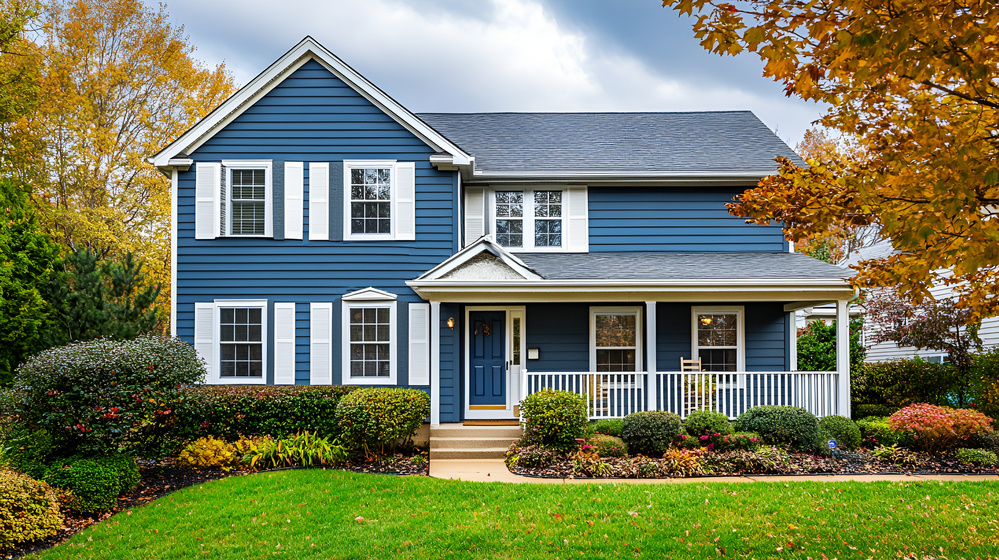
Severe storms in Green Cove Springs, FL, can expose roofing systems within minutes. High winds, heavy rain, and debris create openings that allow water to enter quickly. After a storm, a temporary roof tarp provides immediate protection while you plan permanent repairs.
Key Takeaways
- A temporary roof tarp after a storm helps prevent immediate water intrusion and protects interior structures from further damage.
- Proper installation of a storm-damaged roof tarp reduces the risk of mold growth and structural deterioration.
- Emergency roof leak protection provides a short-term solution while you arrange permanent repairs.
- The length of time a roof tarp remains in place directly affects the risk of additional damage.
How Emergency Roof Tarping Protects Green Cove Springs Homes After Storms
Storm damage can escalate quickly without immediate protection, especially after severe weather events outlined in storm and weather damage conditions. A properly installed tarp limits exposure and stabilizes affected areas. This early step prevents minor issues from turning into costly repairs.
Preventing Immediate Water Intrusion After Storm Damage
A roof tarp for hurricane damage creates a direct barrier that stops active water entry at the point of exposure. In Green Cove Springs, fast-moving storm cells can bring intense rainfall within minutes. Immediate tarp placement serves as the first line of emergency protection against roof leaks. It is critical for preventing water damage after a roof leak occurs, especially before full roof repair work begins.
Reducing Structural Deterioration in Exposed Roof Areas
Compromised roofing materials leave the underlying structure vulnerable to moisture. A storm-damaged roof tarp limits prolonged exposure to rain and humidity. In Green Cove Springs, repeated rain bands and high humidity accelerate moisture absorption in roof decking. This protection helps slow saturation, reducing the risk of wood rot, decking failure, and weakened support systems.
Limiting Mold Growth and Indoor Air Quality Issues
In Green Cove Springs, warm temperatures and high humidity allow moisture to linger indoors after a storm. This environment accelerates mold growth when water enters through a damaged roof. Emergency roof leak protection helps control indoor humidity by blocking water entry. Guidance from FEMA on post-storm damage response reinforces how quickly moisture-related issues can develop. In Florida’s climate, even short delays can lead to mold that affects both property and indoor air quality.
Protecting Interior Finishes and Personal Belongings
Interior damage often progresses quickly once water bypasses the roofing system. In Green Cove Springs homes, furnishings, flooring, and drywall can absorb moisture within hours. After a storm, a temporary roof tarp helps isolate affected areas and limit damage to personal belongings during emergency roofing situations in Clay County.
Supporting Insurance Documentation and Damage Control
A properly secured tarp shows that steps were taken to prevent further damage. This action can support insurance claims by demonstrating a timely response. Documenting conditions before and after tarping helps establish the extent of storm-related damage.
What to Do Next While Planning Permanent Roof Repairs
A tarp provides temporary protection only. Taking the right steps keeps your home secure while you prepare for permanent repairs. This approach helps control timelines and prevents hidden damage from spreading.
Schedule a Professional Roof Inspection Promptly
After installing a tarp, schedule a professional roof inspection to assess the full extent of damage. In Green Cove Springs, storms often cause hidden issues such as lifted shingles or damaged flashing. A detailed inspection helps determine the correct repair approach.
Understand How Long a Roof Tarp Can Stay on Safely
Many homeowners ask how long a roof tarp can stay on before problems develop. Tarps can last several weeks under ideal conditions, but extended use increases the risk of failure. Sun, wind, and rain gradually weaken the material.
Plan for Permanent Repairs or Replacement Solutions
After assessing the damage, focus on permanent roof repairs or replacement that address both visible and hidden issues. Roofing systems in Green Cove Springs must withstand coastal humidity, heavy rain, and seasonal storms. Selecting materials suited to these conditions improves long-term performance and reduces the risk of future repairs.
Monitor the Tarped Area for New Leaks or Shifts
A secured tarp still requires consistent observation to remain effective. Weather conditions in Green Cove Springs can shift quickly, especially during storm season. Checking for loosened fasteners or new gaps helps maintain emergency roof leak protection and supports ongoing roof maintenance, preventing minor failures from escalating.
Coordinate With Local Roofing Professionals for Timely Service
Timely coordination with a contractor ensures the transition from temporary protection to permanent repair stays on track. Professionals familiar with emergency roof repair in Green Cove Springs conditions can prioritize storm response, manage scheduling, and prepare for material needs. This step focuses on execution rather than monitoring, reducing downtime between tarping and full restoration.
Take Immediate Steps to Prevent Further Roof Damage in Green Cove Springs
Worthmann Roofing and Gutters understands how quickly storm damage in Green Cove Springs can lead to costly interior problems. Acting quickly with temporary protection and a clear repair plan helps reduce risk and restore stability. Contact us to schedule a professional inspection and move forward with confidence.
Frequently Asked Questions
How long can a roof tarp stay on safely?
A roof tarp can remain in place for several weeks, depending on weather and installation quality. However, prolonged exposure to sun, wind, and rain weakens the material, making timely permanent repairs necessary.
Does a roof tarp completely stop all leaks?
A properly installed tarp reduces most water intrusion but may not stop every leak. Small gaps or movement can still allow moisture in, so regular monitoring and prompt repairs remain important.
Does insurance cover emergency roof tarping?
Many insurance policies cover temporary measures that prevent further damage. Coverage depends on your policy and the cause of damage, so documenting the issue and contacting your provider is essential.
What should I do if my tarp becomes loose after installation?
If a tarp loosens, secure it immediately to maintain protection. Ignoring the issue allows water intrusion to resume, increasing the risk of interior damage and complicating future repairs.