

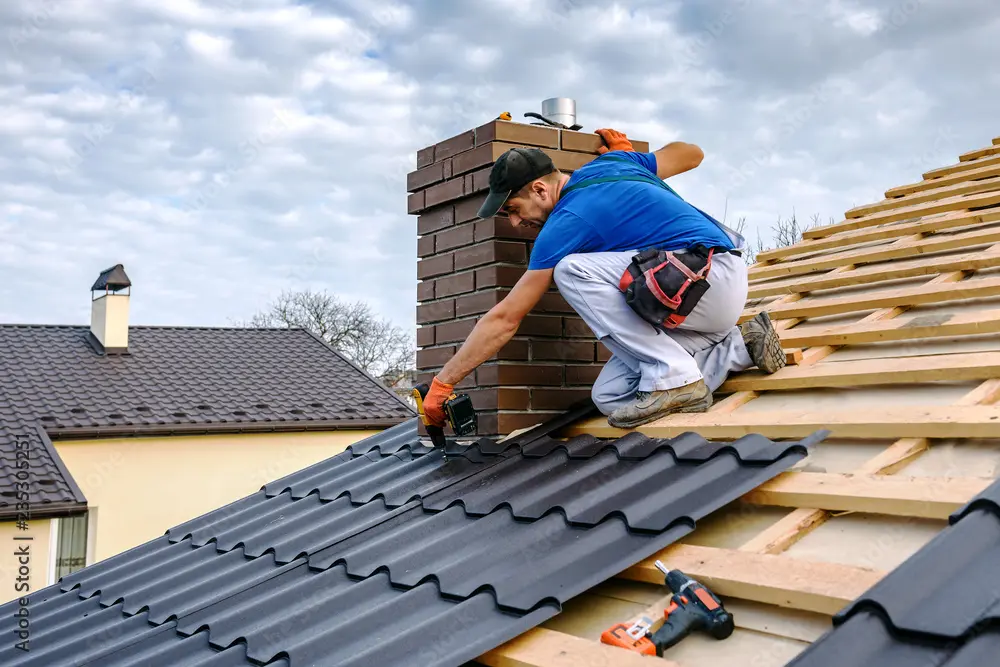
Jacksonville, FL, homeowners face weather patterns that consistently stress their roof systems. Hurricane season brings heavy rain, strong winds, and flying debris that can expose weak points in roof structures. Preventing water intrusion after storms requires more than temporary patchwork. Adequate protection depends on the roofing solutions we design, install, and inspect for hurricane-prone conditions.
Key Takeaways
- Effective prevention of water damage after wind uplift in Jacksonville relies on roofing systems engineered to resist uplift forces and wind-driven rain.
- Durable roofing materials and proper installation techniques help Jacksonville homeowners reduce the risk of structural failure and costly repairs.
- Post-storm inspections should focus on roof edges, roof-to-wall connections, and areas vulnerable to wind-borne debris.
- Long-term benefits include improved structural integrity, stronger wind mitigation performance, and potential reductions in insurance premiums.
Roofing Solutions That Block Water Intrusion After Jacksonville Storms
Jacksonville experiences intense wind and rain events that test every part of a roof system. These solutions focus on reducing water intrusion after storms by addressing common failure points seen in local homes, especially those affected by storm and weather damage.
Secondary Water Barriers That Protect the Roof Deck
Secondary water barriers provide added protection when wind uplift or flying debris compromises the roof covering. In Jacksonville, heavy rain often follows high winds, making this layer critical for preventing moisture from reaching the roof deck.
From a service provider perspective, properly installed secondary water resistance helps limit interior damage even when shingles or panels are displaced.
Impact-Resistant Shingles Built for Hurricane Conditions
Impact-resistant shingles withstand wind-borne debris common during tropical storms and major hurricanes. These roofing materials help reduce missing shingles and exposed fasteners that allow water intrusion, lowering the need for unexpected shingle replacement after severe storms.
For Jacksonville homeowners, this option offers added protection during hurricane season when standard shingles may fail under repeated wind stress.
Metal Roofing Systems Engineered for High Winds
Metal roofing systems offer strong wind resistance when installed by a professional roofer using practices designed for high-wind environments. Interlocking panels and secure fasteners help these systems withstand hurricane-force winds common in coastal Florida.
In Jacksonville, metal roofing can reduce uplift forces and limit water intrusion during prolonged storm events.
Roof Shape and Design That Reduce Wind Uplift
Roof design directly affects how wind moves across a structure. Hip roofs typically perform better than gable roofs because they reduce pressure at the roof edges. When evaluating hurricane-resistant roof options for Jacksonville homes, considering roof shape can help limit uplift forces and reduce storm-related damage.
Reinforced Roof Edges and Flashing Systems
Roof edges and flashing are common failure points during severe weather.
High winds can loosen flashing or expose small gaps that allow water intrusion during heavy rain. Strengthening these areas helps Jacksonville homeowners protect their roof structure and reduce the risk of post-storm leaks.
How to Prioritize Repairs and Inspections After Severe Weather
After significant storms, knowing what to inspect first can help prevent minor issues from becoming costly repairs. Prioritizing inspections based on wind and water exposure is especially important for homes in Jacksonville.
Schedule a Professional Roof Inspection First
A professional roof inspection helps identify damage caused by wind uplift and flying debris that may not be visible from the ground.
In Jacksonville, early inspections help address roof damage before the next storm arrives. From a service provider perspective, timely evaluations are key to preventing water intrusion and supporting insurance documentation.
Look for Wind Damage and Missing Shingles
Missing or lifted shingles are clear indicators of wind damage.
Even limited displacement can allow water to reach the roof deck during heavy rain. Addressing these issues quickly helps Jacksonville homeowners avoid structural failure and the need for more extensive roof repairs.
Inspect Roof-to-Wall Connections and Structural Fasteners
Roof-to-wall connections play a significant role in maintaining structural integrity during high winds. Hurricane straps and clips help create a continuous load path that resists uplift forces. Ensuring these connections remain secure is a priority during post-storm inspections in Jacksonville.
Check Flashing and Roof Penetrations for Small Gaps
Flashing around vents, chimneys, and skylights can shift during storms.
Small gaps may not cause immediate leaks but can lead to water intrusion during the next storm. Regular inspections allow technicians to seal these weak points before significant damage occurs.
Plan Long-Term Repairs With Wind Mitigation in Mind
Temporary repairs may stop immediate leaks, but long-term solutions should improve wind resistance through proactive roof maintenance and material upgrades. Upgrading roofing materials, reinforcing structural connections, and planning for complete roof replacement when needed helps Jacksonville homeowners prepare for future storms and protect their investment.
Steps Jacksonville Homeowners Can Take to Reduce Post-Storm Roof Damage
Worthmann Roofing supports homeowners who want to limit post-storm water damage through informed decisions and proactive planning. Professional guidance, thorough inspections, and roofing solutions built to perform in severe weather can make a meaningful difference after major storms.
When questions arise or concerns need attention, contact us to help clarify next steps and determine whether a free roof inspection is appropriate.
Frequently Asked Questions
How does wind uplift lead to water intrusion?
Wind uplift occurs when strong winds create pressure that lifts roofing materials away from the roof deck. This movement can break seals, loosen shingles, and expose underlayment. Once these weak points are present, heavy rain can enter the roof structure, causing interior water damage.
What roofing materials perform best during hurricane season?
Impact-resistant shingles and metal roofing systems are commonly used in hurricane-prone areas because they offer greater wind resistance. When paired with waterproof underlayment and proper installation, these materials help roofs withstand winds and reduce the risk of water intrusion.
Why are post-storm inspections necessary even if there are no visible leaks?
Not all roof damage is immediately visible from inside the home. Storm forces can compromise structural connections, flashing, and roof edges without causing instant leaks. A professional inspection helps identify these issues early and prevents minor problems from becoming significant damage.
Can wind mitigation improvements affect insurance premiums?
Wind mitigation features such as hurricane straps, strong roof-to-wall connections, and secondary water barriers may help reduce insurance premiums. Insurers often recognize these key features because they lower the risk of roof damage and water intrusion during significant storms.