
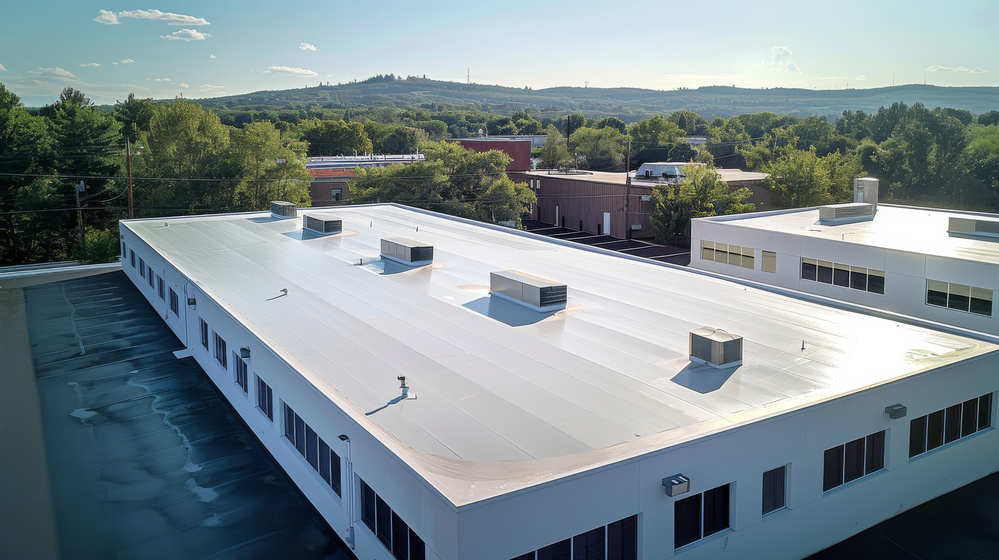
Commercial roof replacement can create a significant business expense for property owners in Green Cove Springs, FL. Section 179 may reduce the 2026 tax impact when qualifying roof improvements meet federal requirements. Eligibility depends on property use, project timing, taxable business income, and other tax factors.
Property owners should evaluate roof condition before considering potential tax benefits. Tax planning can then clarify whether an eligible project may provide additional financial value.
Key Takeaways
- Section 179 can apply to qualifying roof improvements made to eligible nonresidential real property.
- Federal limits for 2026 can affect how much a business may claim under Section 179.
- Property owners generally must place a qualifying roof in service during the applicable tax year.
- Green Cove Springs property owners should account for local permitting, project timing, and professional tax guidance before replacing a roof.
How Section 179 Can Offset Green Cove Springs Roof Costs
Section 179 can affect when eligible roofing costs reduce taxable business income. Careful planning for a commercial roofing project can also help owners manage timing, documentation, and replacement decisions.
Section 179 Can Apply to Qualifying Nonresidential Roofs
The IRS includes certain roof improvements within Section 179 qualified real property. These rules cover qualifying improvements to nonresidential buildings. They generally do not cover roofs on personal residences. Homeowners who also own business property should confirm the building’s tax classification before considering this deduction.
The 2026 Deduction Has Specific Dollar Limits
Federal dollar limits apply to the Section 179 roof deduction in 2026. For tax years beginning in 2026, the maximum deduction is $2.56 million. The phaseout threshold begins at $4.09 million of qualifying property placed in service. These limits apply across eligible Section 179 property rather than roofing alone.
Taxable Business Income Can Limit the Deduction
Section 179 eligibility does not guarantee a full immediate deduction. Taxable income from an active trade or business can limit the amount you can claim. Other qualifying property purchases may also affect the calculation. Property owners should review these factors with a tax professional before including estimated savings in a roofing budget.
The Placed-in-Service Date Matters
Project timing can influence a Section 179 roofing deduction. Property owners generally must place qualifying property in service during the applicable tax year. A signed contract or deposit alone does not establish that timing. Owners planning a commercial roof replacement should coordinate expected completion dates with their roofing contractor and tax professional.
Residential Roofs Require Different Tax Planning
The commercial Section 179 provision generally excludes a roof installed on a personal residence. Mixed-use properties, rentals, and business properties may involve different tax considerations. Property use often determines which rules apply. Homeowners with business-use property should ask a tax professional to review their circumstances before assuming roofing costs qualify.
Key 2026 Tax and Replacement Planning Priorities
Tax considerations should support a sound roofing decision, not drive it. A professional roof inspection can help establish current conditions before owners finalize replacement plans.
Confirm the Building and Project Qualify
Section 179 qualified real property carries a specific federal tax definition. Certain improvements to eligible nonresidential property can qualify for this treatment. However, roof replacement alone does not establish eligibility. Building use, project timing, and other tax details also affect qualification.
A tax professional should confirm these factors before owners include potential savings in their budgets.
Base Replacement Decisions on Roof Condition
Potential tax savings should not drive replacement of a functioning commercial roof. Property owners should first review leaks, deterioration, repair history, and remaining service life. Storm and weather damage can also change the recommended scope of work.
A professional assessment can help determine whether repair or replacement better addresses the roof’s condition.
Keep Project Records Organized
Organized records make tax discussions clearer and more efficient. Property owners should retain contracts, invoices, payment records, project descriptions, permits, and completion documents. These materials establish the work completed and its timing.
A tax professional can use that information to determine how eligible project costs should be treated for tax purposes.
Coordinate the Roofing Schedule With Tax Planning
Late-year roofing projects can create scheduling pressure when owners delay planning. Weather, material availability, permitting, and site conditions can affect completion dates. Starting earlier gives owners more flexibility when unexpected delays occur.
It also provides time to discuss the expected placed-in-service date with a tax professional.
Separate Roofing Guidance From Tax Advice
Roofing contractors and tax professionals offer different expertise. A roofer can assess roof condition, replacement needs, project scope, and completed work. When problems remain localized, roof repair services may address the roofing issue without requiring full replacement.
A tax professional determines Section 179 eligibility and the appropriate tax treatment.
Secure More Planning Time for Your 2026 Commercial Roof Replacement
Worthmann Roofing and Gutters can assess your commercial roof before late-year scheduling limits your options. An early evaluation gives you more time to understand roof condition and consider repair or replacement needs. It also helps you gather useful project information for your tax professional. Early planning can preserve scheduling flexibility if replacement becomes necessary in 2026.
Contact us today to schedule an evaluation while you still have time to plan carefully.
Frequently Asked Questions
Can a commercial roof qualify for a Section 179 deduction?
Certain improvements to qualifying nonresidential roofs may qualify under Section 179. Property use, project timing, federal limits, and taxable business income can affect eligibility. A qualified tax professional should confirm the deduction.
What is the Section 179 limit for 2026?
For tax years beginning in 2026, the maximum Section 179 deduction is $2.56 million. The phaseout threshold starts at $4.09 million. Taxable business income and other rules may further limit the deduction.
Does Section 179 apply to the roof on my Green Cove Springs home?
Section 179 generally does not cover a roof on a personal residence. It may apply to qualifying improvements on eligible nonresidential property. A tax professional should review mixed-use or business properties on a case-by-case basis.
Should I replace a commercial roof just to claim Section 179?
Tax benefits should not drive replacement of a sound roof. First, review its condition, damage, repair history, and remaining service life. Then discuss possible Section 179 treatment with a qualified tax professional.