

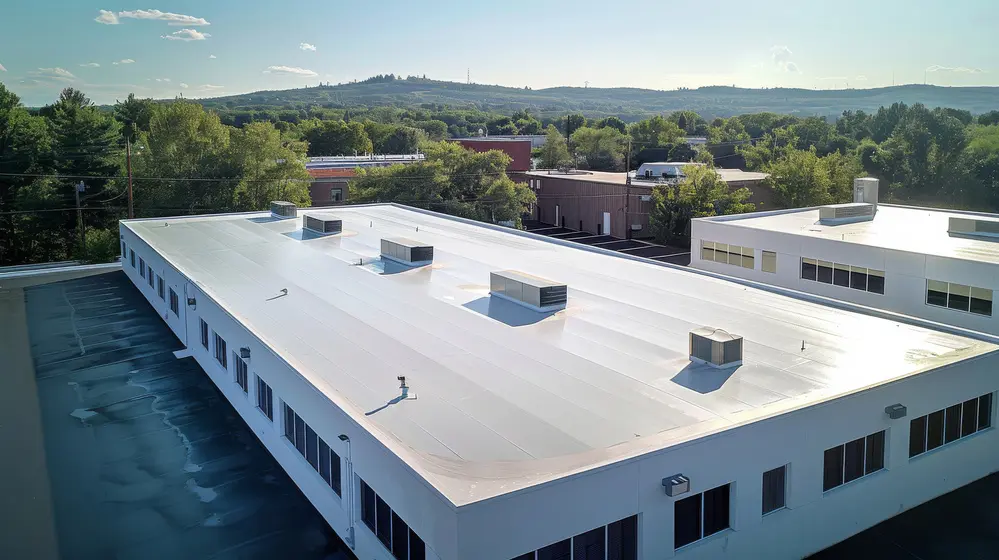
In North Central Florida, attic ventilation plays a direct role in how well a roofing system performs over time. Homes in areas like Gainesville and surrounding communities face intense heat, high humidity, and seasonal storms that place constant stress on roof structures. From our perspective as a local roofing contractor, good ventilation is not an optional upgrade but a core component of roof performance, excellent attic floor space, and long-term durability.
A properly designed roof ventilation system allows warm air to escape, helping reduce heat buildup and moisture-related stress on the roof. Understanding how balanced airflow works and what priorities matter most in hot, humid roof systems helps homeowners avoid costly problems tied to heat buildup, moisture damage, and premature shingle wear.
Key Takeaways
- Proper attic ventilation is a core part of roof performance in North Central Florida, helping roofs handle extreme heat, high humidity, and seasonal storms more effectively.
- Balanced intake and exhaust airflow prevents trapped heat and moisture, which reduces premature shingle aging, material breakdown, and hidden structural damage.
- Good ventilation supports lower attic temperatures, improves indoor comfort, and reduces strain on air conditioning systems during long Florida summers.
- Managing moisture through proper airflow helps prevent mold, wood rot, and insulation damage that commonly develops in humid Florida attics.
Why Balanced Attic Airflow Matters in North Central Florida
Balanced airflow is essential for protecting Florida homes from the combined effects of heat and humidity. In regions like Gainesville and Ocala, consistent proper airflow ensures your roofing materials, attic insulation, and home temperature all work in harmony. By maintaining equal intake and exhaust airflow, homeowners can prevent trapped heat, reduce trapped moisture, and extend the overall lifespan of their roofing system.
Preventing Excess Heat From Damaging Roofing Materials
Balanced attic insulation allows hot air to escape instead of becoming trapped under the roof deck and attic space, which is essential for ventilation in Gainesville’s warm climate. As warm air exits through attic vents, cooler air can circulate freely. When heat builds up, it accelerates asphalt shingle aging and stresses underlayment materials. From our inspections across North Central Florida, poor airflow remains one of the most common causes of early shingle failure. If caught during a roof inspection, ventilation issues can often be corrected before they lead to costly repairs.
Reducing Moisture Accumulation in Humid Attics
High humidity is a constant factor in Florida roof moisture problems, and airflow directly impacts how that moisture behaves. Proper intake vents and exhaust vents help move moist air out of the attic before it condenses on the roof decking or insulation. We often see signs of an unventilated attic in Florida homes when trapped moisture leads to mold and mildew growth, wood rot, or damp insulation, all of which compromise roof life and indoor air quality.
Supporting Consistent Indoor Comfort and Energy Efficiency
When adequate ventilation is properly balanced, it regulates attic temperature and reduces strain on your cooling system. Exhaust vents let heat escape instead of radiating into living areas, helping lower energy bills and improve comfort. Homes that meet airflow requirements stay cooler and place less demand on HVAC systems during long Florida summers. This balance also complements new roof installation projects, building efficiency and comfort from the start.
Key Ventilation Priorities for Hot Humid Roof Systems
In Florida’s hot, humid climate, a balanced ventilation plan must address both temperature and moisture challenges year-round. The most effective ventilation systems include properly placed intake vents along the eaves and ridge vents near the peak to promote continuous air movement. Prioritizing these elements helps roofs withstand Florida’s intense sunlight, heavy rains, and high humidity while improving energy efficiency and long-term roof performance.
Protecting Shingles From Premature Aging
Attic ventilation and roof shingle longevity in Florida are closely linked because shingles perform best within specific temperature ranges. When heat escapes as designed, shingles stay stable; when it’s trapped, they can blister, curl, or lose protective granules. Our inspections show that roofs with strong airflow age more evenly. Proper ventilation also supports every stage of a roof replacement, ensuring materials last as long as they should.
Managing Moisture to Preserve Structural Components
In Florida’s humid climate, managing moisture is as important as controlling heat. Without steady airflow, humidity can damage decking, rafters, and fasteners over time. Prioritizing the right ventilation system protects your roof structure and prevents hidden issues that often go unnoticed until major repairs are needed. Many homeowners include ventilation checks in their annual roof maintenance to prevent long-term damage.
Preparing the Roof System for Storm Conditions
For storm readiness, attic ventilation tips focus on keeping soffit, ridge, and gable vents clear and functional during heavy rain and wind. A well-ventilated attic helps equalize pressure and limits moisture buildup after storms. From our experience, homes with solar or powered vents recover faster and face fewer long-term problems with trapped heat or dampness. Pairing ventilation care with timely weather damage inspections strengthens storm protection and helps your roof last longer.
Protect Your Roof With Proper Attic Ventilation in North Central Florida
If your home feels hotter than it should, your energy bills keep climbing, or your roof seems to be aging faster than expected, proper insulation may be the missing piece. Proper roof ventilation is one of the most effective ways to protect your roofing system from Florida heat, humidity, and storm-related stress while also supporting better home energy performance.
Worthmann Roofing provides roof inspections for homeowners throughout North Central Florida, with a focus on identifying ventilation issues that impact roof performance and long-term durability. Our team helps you understand what your attic needs and how the right ventilation approach supports a stronger, more reliable roof system.
Contact us to schedule a professional roof inspection or request a free in-home consultation, or call (352) 472-3228 to ensure your attic ventilation is working for your home, not against it.
Frequently Asked Questions
What are the signs of poor attic ventilation in Florida homes
Common signs include excessively hot attic space, uneven shingle wear, higher cooling bills, musty odors, or mold and wood rot. In North Central Florida, these problems often develop quietly and worsen over time if airflow is not properly balanced.
How do good attic ventilation systems improve roof shingle longevity in Florida
Proper ventilation systems help release trapped heat that can bake shingles from underneath. By keeping attic temperatures closer to outdoor conditions, ventilation reduces premature aging, curling, and granule loss, helping shingles last closer to their intended lifespan.
Can attic ventilation really reduce heat in Florida attics
Yes. A well-designed ventilation system allows hot air to escape instead of building up in the attic. This reduces radiant heat transfer into living spaces, promotes more fresh air, and helps your roofing system manage Florida’s intense sun more effectively.
Does attic ventilation help with Florida roof moisture problems
A good attic ventilation system plays a major role in moisture control by allowing humid air to exit the attic before it condenses on the roof decking or insulation. This helps prevent mold growth, wood rot, and other moisture damage common in humid North Central Florida climates.